Strength · 6 min read
Strength for real life: what being capable can look like
Strength is not only a gym outcome. It is the capacity behind carrying, climbing, training and saying yes to active plans.
Train for the demands you want to meet
A useful strength plan starts with the life you want it to support. Carrying bags asks for grip and trunk capacity. Stairs ask for repeated single-leg force. Running and court sports ask for force, control and the ability to repeat effort. The gym is one place to train these qualities, not the only place they exist.
You do not need to copy an athlete or chase a particular lift. You need a level you can repeat with good enough control, then a way to make it gradually more demanding.
Progress can be quiet
Adding weight is one option. You can also add a repetition, slow the lowering phase, reduce support, improve range, use a more demanding position or simply become more consistent. A progression should make the same task meaningfully harder without turning every session into a test.
WHO guidance includes muscle-strengthening activity as part of the physical-activity picture for adults. The practical version is to choose movements you can sustain and build rather than waiting for a perfect programme.
Capacity, not fear
Strength work is not a guarantee against injury and it does not make a body invulnerable. It can build capacity, confidence and options for the loads you meet. That is a more useful promise than “bulletproofing” a joint.
Source notes
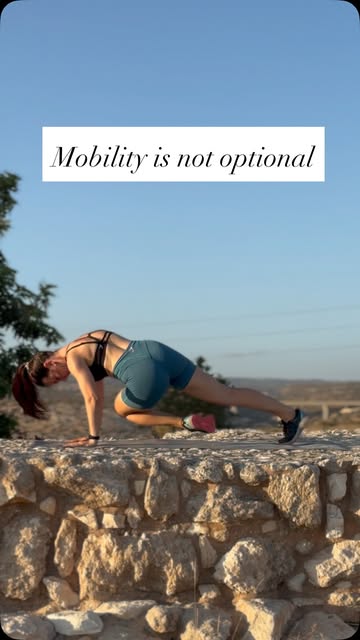
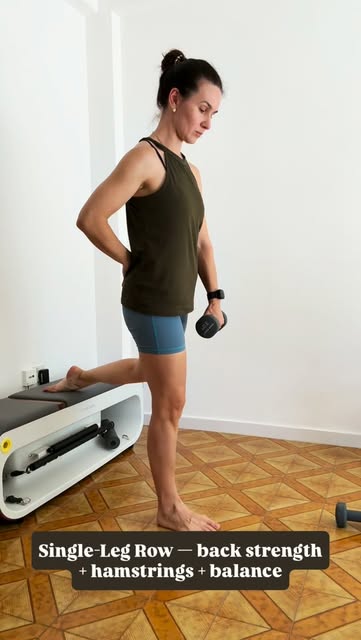
The sources support the general principles discussed here. The movement examples are educational options from Mari PhysioFit’s routine, not protocols tested or endorsed by those sources.