Longevity · 7 min read
The movement foundations worth training for the long run
Healthy aging is not one magic exercise. It is a long practice of strength, aerobic activity, balance, mobility and consistency.
Build a portfolio, not a single hack
Longevity language can make exercise sound more complicated than it needs to be. No single drill covers every quality. Walking does not replace strength work. Mobility does not replace aerobic activity. A balanced week gives each foundation a place and lets your priorities change with the season.
WHO guidance is deliberately broad: all activity counts, some is better than none, sedentary time matters, and muscle strengthening is useful across adulthood. That gives you permission to start smaller than a perfect plan.
Five foundations to revisit
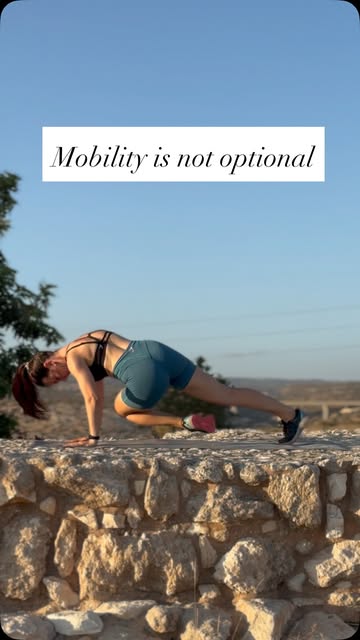
Strength helps you keep meeting force demands. Aerobic work supports the capacity to sustain activity. Balance is a trainable skill. Mobility gives you movement options. Consistency is what lets the other qualities accumulate.
These do not need separate, elaborate sessions every day. A brisk walk, two short strength sessions, a few minutes of balance practice and a mobility sequence before sport can form a useful starting week.
Make the plan adaptable
The long-run plan should survive travel, busy weeks, changing interests and periods of lower capacity. Keep a full version, a short version and a minimum version. Adaptation is not failure; it is part of staying consistent across years.
Source notes
The sources support the general principles discussed here. The movement examples are educational options from Mari PhysioFit’s routine, not protocols tested or endorsed by those sources.